


Bunions and barefoot shoes: what really helps
A bunion is more than a cosmetic issue. It can hurt, rub inside your shoes and gradually change the whole front of your foot. And because roughly one in four adults has one, we get a lot of questions about it. The most common: “Will barefoot shoes fix it?” We'll answer honestly – including what barefoot footwear can't do.
What is a bunion (hallux valgus)
A bunion, medically hallux valgus, is a deformity of the forefoot. The big toe drifts out of line towards the second toe and the joint at its base sticks out on the inner side of the foot. Doctors usually call it a deformity once the angle exceeds about 15 degrees.
It's nothing rare. According to a large meta-analysis of more than 76 studies, about 23% of adults under 65 and almost 36% of people over 65 have hallux valgus. In women it's around 30%, in men 13%.
Typical signs:
- a bump at the base of the big toe that rubs and turns red in shoes
- pain in the big toe or the whole forefoot, especially in narrow shoes
- a big toe pressing against the second toe or slipping under it
- hard skin and calluses under the balls of the foot
Interesting fact: often it's not the big toe itself that hurts, but the other toes and the forefoot that take over its work.
Why does the big toe drift? Genes and shoes
Short answer: there's no single cause. Experts agree it's a combination of internal and external factors.
What you can't change:
- Heredity. Up to two thirds of people with bunions have a family history. If your mum or grandma had one, it's worth paying attention.
- Foot shape and structure. For example the position of the first metatarsal or generally looser ligaments.
- Sex and age. Women are affected more often and prevalence rises with age.
What you can change:
- Footwear. A narrow toe box, high heels and short shoes push the big toe towards the second toe. Shoes usually don't cause bunions on their own, but they can speed up their development and make symptoms worse. In populations that go barefoot, the deformity is much rarer.
- Shoe size in children. An Austrian study of 858 pre-school children found that the shorter the shoes, the larger the big-toe angle. Shoes one size too small raised the risk by 17%, three sizes too small by 61%.
- Load. Higher body weight and long hours standing in stiff shoes make symptoms worse.
Will barefoot shoes fix a bunion?
Honestly: no. Barefoot shoes won't straighten a bunion. The deformity is defined by the shape and position of the bones, and no footwear can straighten it back. Anyone promising otherwise is claiming more than science has shown so far.
What barefoot footwear can do:
- A wide toe box doesn't press. The joint doesn't rub and the big toe isn't squeezed towards the second toe. For many people, they're the first shoes in which their bunions don't hurt after a full day.
- Zero drop. Without a heel, your weight doesn't shift onto the forefoot, so it isn't overloaded.
- Room for your muscles to work. Your toes can spread and the small muscles of the foot get to work. That's a good basis for exercise.

What does research say? Not much yet, but it's interesting. A small Chinese study of men with mild to moderate bunions recorded a smaller big-toe angle and more even forefoot pressure after 12 weeks of running in minimalist shoes. A bachelor's thesis from Charles University in Prague found no significant effect of barefoot shoes alone, but they proved useful as a supplement to physiotherapy. More research is needed before drawing firm conclusions.
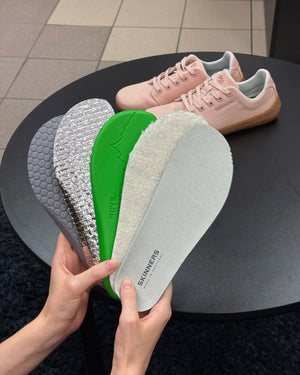
And what do orthopaedists think? Some are sceptical about barefoot: a thin sole on concrete and paving can overload the forefoot, especially when your feet are no longer completely healthy. That's why our city shoes aren't orthodox barefoot. The wide toe box and zero drop are complemented by a comfortable insole that cushions each step on hard surfaces.
How to choose shoes for bunions
Good shoes for bunions don't have to look like a medical aid. Watch out for these things:
- A wide, foot-shaped toe box. The big toe needs room to sit in a straight line, not be pushed inwards.
- The right length. Leave 5–10 mm of free space in front of your toes. For children, check the size every 2–3 months.
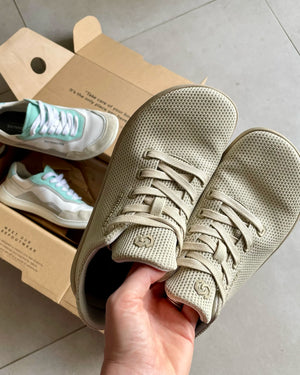
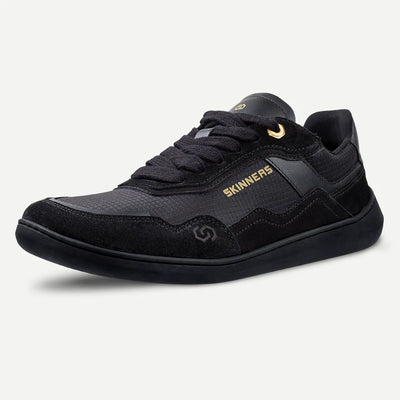
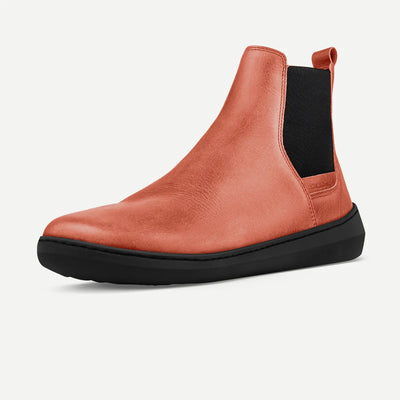
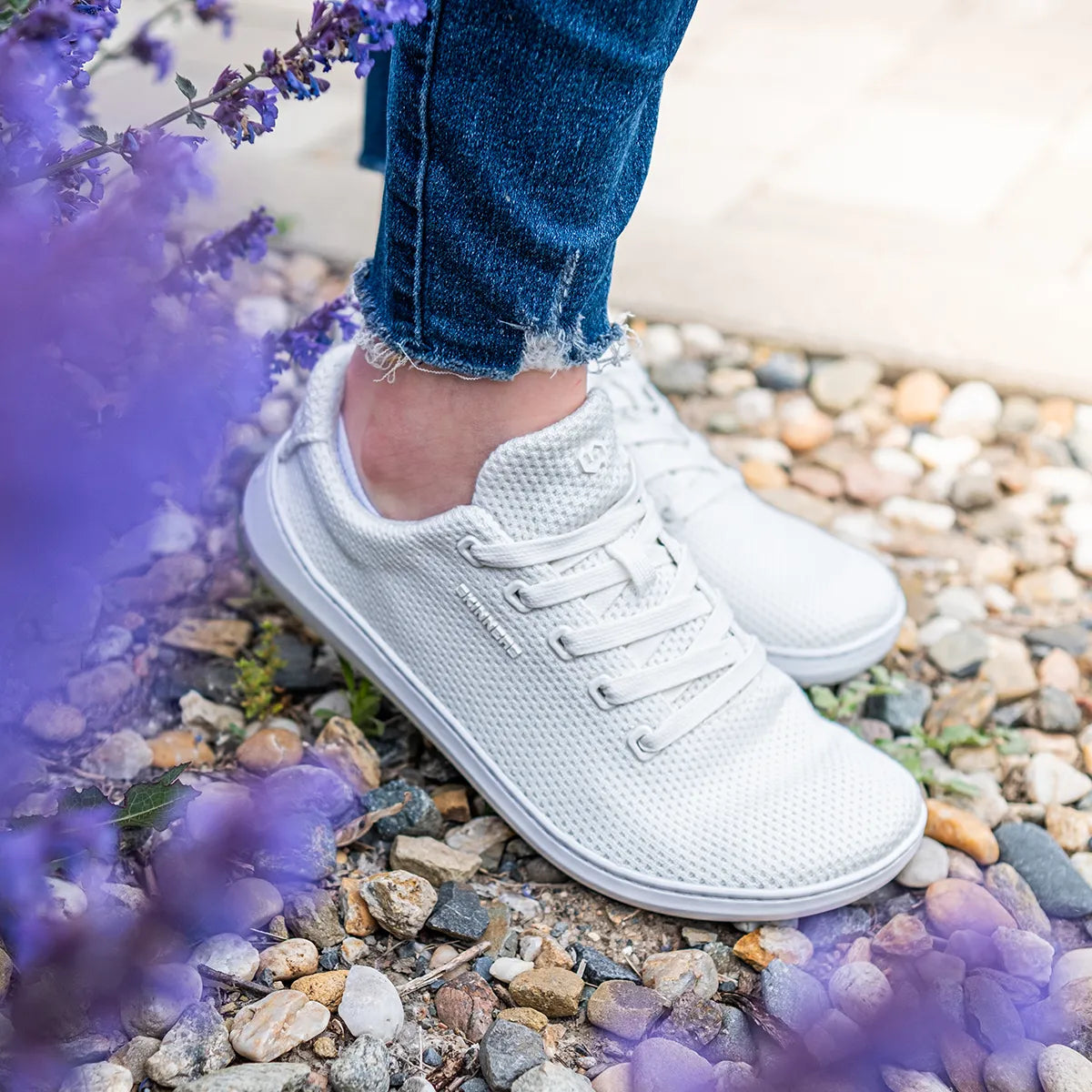
- A soft upper. Stretchy textile or soft leather adapts to the joint and doesn't rub. Many people with bunions love our textile barefoot sneakers.
- No heel. Zero drop doesn't overload the forefoot.
- Try shoes on in the afternoon. Feet swell slightly during the day and are largest in the evening.
Wide shoes for women and men now come in elegant designs too. Take a look at our women’s and men’s barefoot shoes.

Exercises for bunions
Exercise won't straighten the toe, but it can ease pain, strengthen the arch and keep the joint mobile. Ideally, have a physiotherapist show you. To start, try:
- Toe spread. Sitting with your feet on the floor, spread your toes as wide as you can, hold for 5 seconds and relax. 10×.
- Big toe abduction. Try to move your big toe away from the second toe towards the inner edge of the foot while the other toes stay still. It'll be hard at first – that's normal. 10×.
- Short foot. Without curling your toes, draw the front of your foot towards your heel to lift the arch. 5–10 seconds, 10×.
- Towel scrunches. Slowly gather a towel on the floor with your toes. 1–2 minutes.
- Walking barefoot. At home or on grass. Your feet get stimuli they miss in shoes.
If an exercise hurts, stop and consult a specialist.
When to see a doctor
Shoes and exercises are great for prevention and relief. Sometimes, though, a bunion belongs in the hands of an orthopaedist or podiatrist. Book an appointment if:
- your bunion hurts even in comfortable shoes or at rest,
- the deformity is getting worse quickly,
- the big toe overlaps or slides under the second toe,
- the joint is swollen, red and hot,
- you have diabetes or problems with circulation in your feet.
Treatment starts conservatively: suitable footwear, taping, insoles, physiotherapy. These ease pain but don't change the shape of the bones. If symptoms limit your everyday life, surgery is often the solution. Cosmetic reasons alone usually aren't enough for surgery.
Frequently asked questions
Can a bunion be corrected without surgery?
Pain can be eased and progression slowed – with suitable footwear, exercise and physiotherapy. But the bones can't be straightened back without surgery.
Do bunion correctors and toe spacers help?
They can bring relief and straighten the toe temporarily, but they won't remove the deformity. With an advanced bunion they can even press. So the best corrector is the one a specialist recommends after an examination.
Can I wear barefoot shoes if I already have a bunion?
In most cases yes, and you'll often feel better in them than in narrow shoes. Switch gradually, and if your forefoot is painful, choose a model with a more comfortable insole – for example our most comfortable Comfort+ insole.
Are bunions hereditary?
The tendency is often inherited. If bunions run in your family, it's all the more worth watching your own and your children's shoes.
Are sock shoes suitable too?
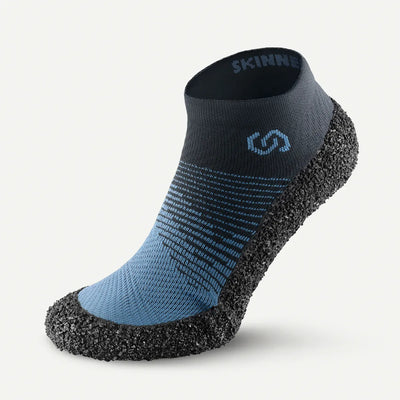
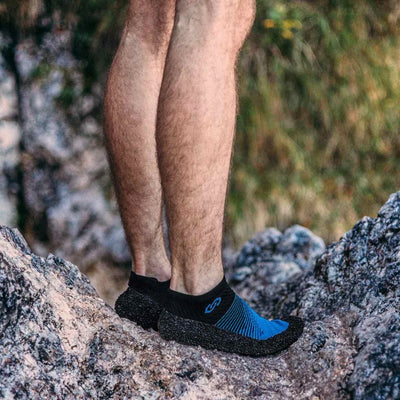
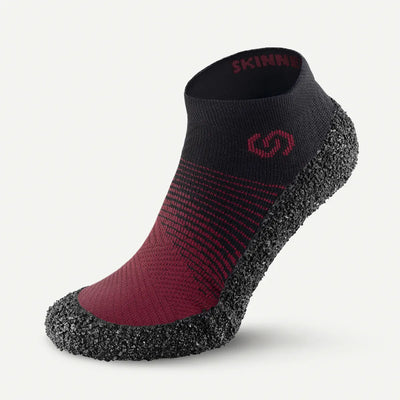
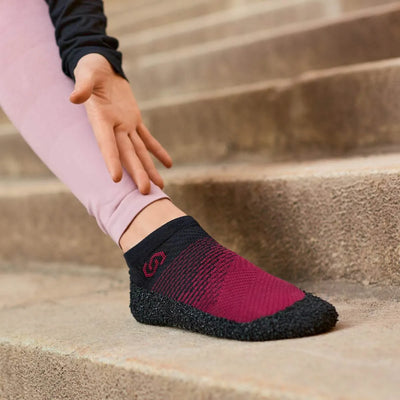
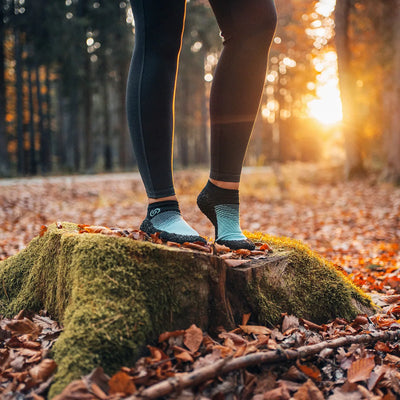
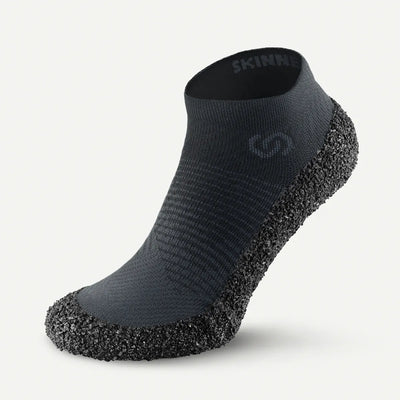
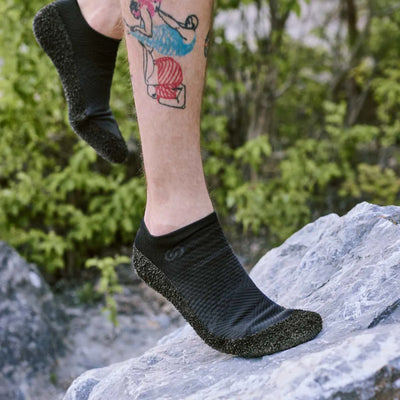
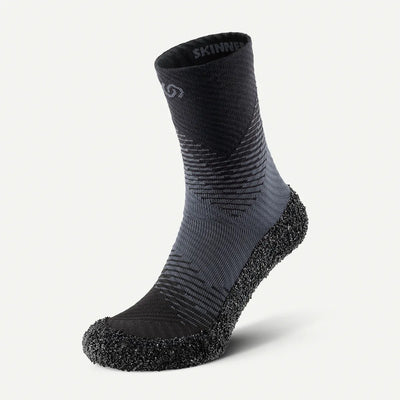
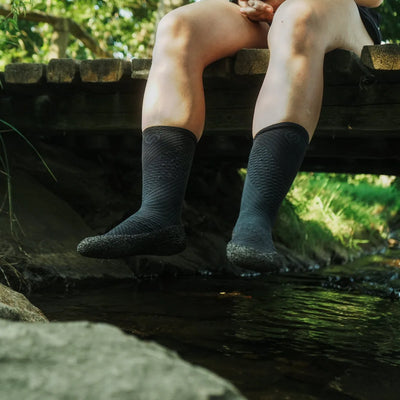
For trips, the outdoors or as spare shoes, definitely – sock shoes don't squeeze your toes at all.
Summary
Barefoot shoes won't fix a bunion. But they can stop making it worse – and that's more than we can say about most shoes in the wardrobe. A wide toe box, zero drop and a soft upper relieve the joint, regular exercise strengthens the foot, and a doctor will tell you when more is needed.
👉 Choose shoes that give your big toe enough room
Not sure which model to choose? Write to us or stop by our store in Brno and try the shoes on yourself.
This article is for information only and does not replace a medical examination.
More articles
 SHOES
Looking for men's winter shoes that handle frost, mud and the city? We show you how winter barefoot shoes keep you warm, how Du...
Read article BAREFOOT START
Remember when barefoot shoes looked more like part of a clown costume? Today you no longer have to choose between comfort and w...
Read article SHOES
Looking for winter barefoot shoes that keep you warm and look elegant at the same time? Discover Skinners’ insulated women’s mo...
Read article